Printable Business Card Template: A Graphic Templates Review
As a digital publisher who has spent years curating the visual identity of multiple content platforms, I approach every new graphic design asset with a critical eye. It is not enough for a file to look pretty in isolation; it must perform within the chaotic ecosystem of a live website, a crowded social feed, and a high-stakes email newsletter. When I first opened the files for the Printable Business Card Template, my immediate goal was to determine if this asset could transcend its primary function as a networking tool and serve as a versatile component in a broader editorial design workflow.
The First Impression: Editorial Mood and Niche Fit
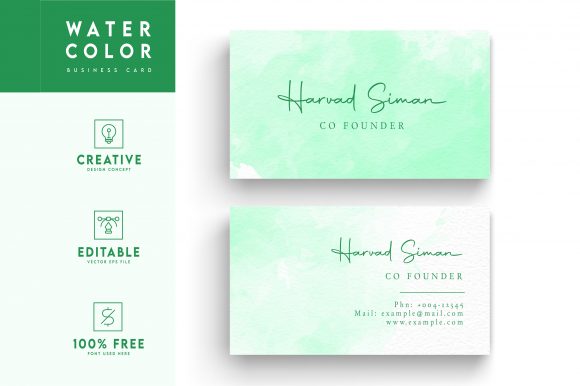
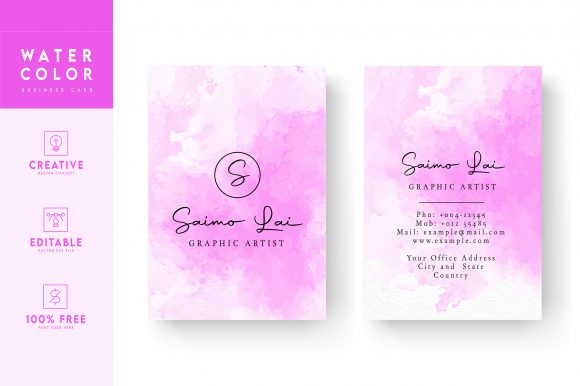
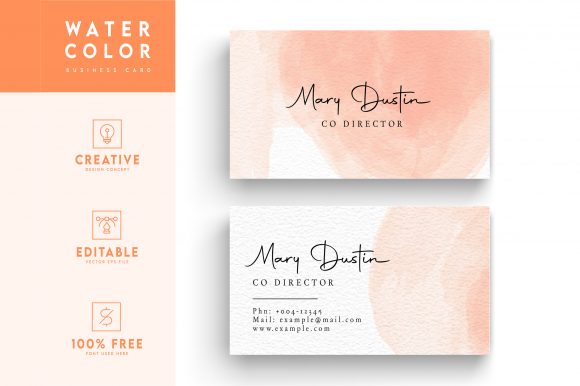
The initial visual impact of this template is strikingly professional yet approachable. Unlike many generic designs that feel sterile or overly corporate, this asset strikes a balance that feels distinctly modern and lifestyle-focused. The layout suggests a level of sophistication that immediately boosts reader trust. For bloggers and creative entrepreneurs, this mood is essential. It signals that the content behind the brand is polished, thoughtful, and valuable.
This specific design language naturally supports niches such as personal branding, coaching, interior design, photography, and boutique e-commerce. It avoids being too playful or whimsical, which makes it unsuitable for children's content, but it is not so rigid that it cannot work for artistic portfolios. The visual hierarchy inherent in the template guides the eye smoothly from the name to the contact details, a principle that translates perfectly to web headers and article graphics where guiding the user's attention is paramount.
Beyond the Pocket: Real-World Publishing Applications
While the title suggests a simple paper product, my review focuses on how this digital download can be repurposed for high-impact content marketing. In my own publishing workflow, I rarely use assets for just one purpose. Here is how the Printable Business Card Template fits into a multi-channel strategy:
- Pinterest Pins: The vertical proportions and clean lines make an excellent foundation for Pinterest graphics. By swapping the contact info for a blog post title, the design retains its elegance while driving traffic.
- Newsletter Headers: The top section of the card design can be cropped and used as a sophisticated header for weekly emails, establishing immediate brand identity before the reader even sees the content.
- Digital Guides and Lead Magnets: The internal structure works beautifully as a cover page or a divider page within a PDF digital guide or workbook offered as a lead magnet.
- Social Media Graphics: With minor adjustments, the layout serves as a template for Instagram stories or LinkedIn featured images, ensuring consistency across platforms.
- Website Banners: The aesthetic translates well to narrow website headers or sidebar widgets, providing a cohesive look between offline and online presence.
For affiliate marketers, using a consistent visual style across these touchpoints reinforces credibility. When a user sees the same high-quality design on a Pinterest pin, a blog post, and a downloadable resource, it creates a subconscious association of reliability and professionalism.
Driving Performance Through Visual Consistency
In the world of web design and affiliate marketing, aesthetics are directly tied to performance. A cluttered or amateurish design increases bounce rates, while a polished look encourages deeper engagement. Integrating the Printable Business Card Template into your suite of design assets offers several performance benefits:
First, it establishes a stronger first impression. Visitors decide within seconds whether to stay on a page; a professional graphic signals quality content. Second, it provides a clearer visual hierarchy. The template's built-in spacing teaches us how to organize information effectively, a lesson we can apply to blog layouts to improve readability. Third, it ensures better category recognition. When all your graphics share a DNA, readers instantly recognize your content in a crowded feed.
Furthermore, this asset supports small business branding by offering a cost-effective way to maintain a premium look without hiring a dedicated designer for every single graphic. It allows solo publishers to scale their visual output while maintaining high standards.
Strategic Placement and Usage Warnings
Knowing where to deploy this asset is just as important as knowing how to edit it. The Printable Business Card Template shines brightest when used as a hero image for "About Me" pages, as a thumbnail for resource libraries, or as a visual accent in media kits. It is particularly effective for downloadable resources where the perceived value of the file matters.
However, caution is required in specific scenarios. Do not use this design for small mobile thumbnails where the text might become illegible due to the intricate detailing often found in business card layouts. It is also less suitable for text-heavy blog images that require large areas of negative space for long headlines. Additionally, if your niche requires a stark, ultra-minimalist corporate vibe or a very serious financial tone, the lifestyle-oriented warmth of this template might feel slightly out of place. Always ensure the background contrast is sufficient when overlaying text, especially on low-contrast backgrounds.
Practical Notes for the Digital Publisher
Before integrating this graphic design asset into your monetized projects, I recommend a rigorous testing phase. Here is my checklist for ensuring optimal performance:
- Cross-Device Testing: Preview the design on both desktop and mobile screens. What looks crisp on a monitor may lose definition on a phone.
- Thumbnail Check: Shrink the image to 150 pixels wide. If the core message is lost, simplify the design elements.
- Typography Pairing: Test the template beside various font styles. Try it with a classic serif font for elegance, a bold sans serif font for modernity, or a script font for a personal touch. Ensure the pairing doesn't clash with the template's existing lines.
- Contrast and Readability: Verify that text stands out clearly against the background. Try viewing the design in black and white to check the underlying structural contrast.
- File Optimization: Review the file size. Large images slow down page load times, hurting SEO. Compress images properly using tools like TinyPNG before uploading to your website header or blog posts.
- Licensing Verification: This is crucial for commercial design projects. Confirm the commercial license terms before using the asset on affiliate pages, in paid courses, or for client work. Most items in a creative marketplace allow this, but always double-check.
Ultimately, the Printable Business Card Template is more than just a stationery item; it is a flexible Canva template alternative that can elevate your entire content ecosystem. Whether you are creating a digital product, refining your social media graphics, or polishing your editorial layouts, this asset provides the structural integrity and aesthetic appeal needed to stand out in today's saturated digital landscape. By treating it as a foundational piece of your brand identity, you can create a cohesive, trustworthy, and visually stunning presence across all your publishing channels.