Business Identity Card Template Review: Top Graphic Templates
As a brand designer and content marketer, I am constantly sifting through the noise of the creative marketplace to find assets that actually deliver value. Recently, I got my hands on the Business Identity Card Template, a standout piece within the broader category of Graphic Templates. My goal was simple: determine if this graphic design asset could hold up under the pressure of a real-world product launch for a lifestyle client. In an era where visual consistency dictates audience trust, finding a template that balances aesthetic appeal with functional versatility is rare.
First Impressions: Setting the Tone for Modern Design
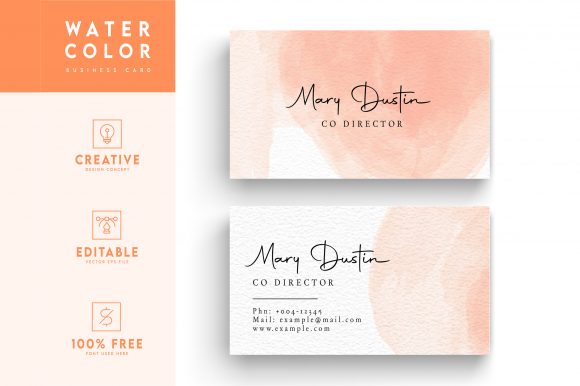
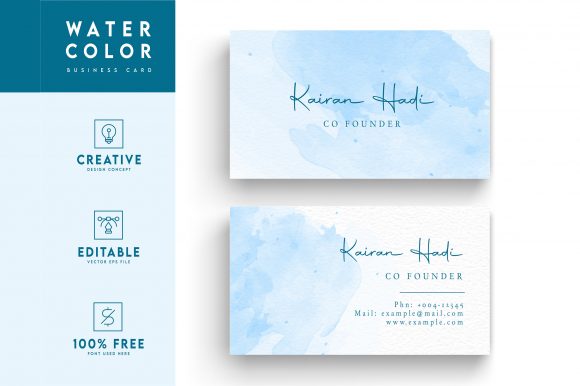
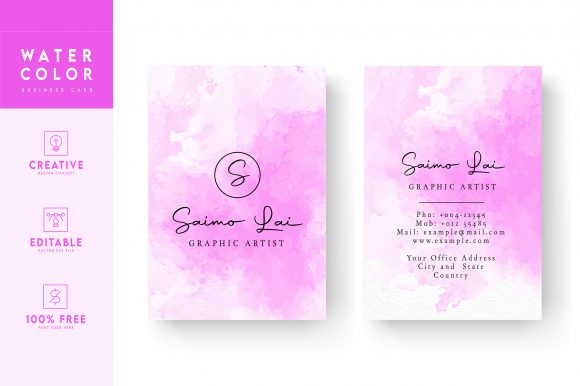
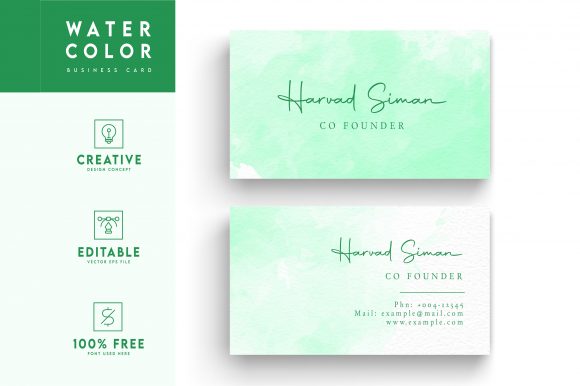
Upon opening the files, the immediate impression was one of refined simplicity. The Business Identity Card Template exudes a mood that sits comfortably between approachable casual branding and premium visuals. It does not scream for attention; rather, it invites the viewer in with a sense of curated professionalism. For a small business owner or an online coach looking to refresh their image, this emotional tone is critical. It suggests reliability without feeling stiff or overly corporate.
The design language feels inherently suited for lifestyle content, handmade products, and editorial graphics. Unlike many generic templates that rely on heavy gradients or distracting patterns, this asset uses negative space effectively to create a modern design feel. This makes it an excellent candidate for brands that want to communicate clarity and sophistication. Whether you are building a content kit for a seasonal offer or preparing a digital campaign, the underlying structure supports a narrative of quality and attention to detail.
Integrating the Asset into a Real Marketing Workflow
To test its mettle, I imagined a scenario where a boutique skincare brand is launching a new serum line. They need a cohesive look across social media graphics, packaging inserts, and email banners. Here is how the Business Identity Card Template fits into that workflow:
- Brand Identity & Logo Design: The template serves as a foundational block, offering a layout where the logo can sit prominently without competing with background noise.
- Packaging Design & Product Labels: Its clean lines translate well to physical mediums, acting as a guide for sticker placement or box labeling.
- Social Media & Digital Ads: The dimensions and balance work seamlessly for Instagram posts, Pinterest pins, and Facebook ads, ensuring the message remains the hero.
- Editorial Design & Lead Magnets: It provides a structured frame for blog graphics and media kits, enhancing readability and visual flow.
This versatility is what separates a good design bundle from a great one. By using this single asset as a anchor, a marketer can ensure that everything from a website header to a printable promotion feels like part of the same family. This consistency is key to building stronger recognition and a more memorable campaign visual identity.
Strategic Applications for Maximum Impact
The true power of the Business Identity Card Template lies in its ability to support specific marketing goals. When used correctly, it creates a clearer visual hierarchy, guiding the audience's eye exactly where you want it to go. This leads to better engagement and a more professional appearance overall.
I found this asset works best in the following areas:
- Hero Graphics: Use it to frame your main product shot on a landing page.
- Campaign Headers: Perfect for topping off email newsletters or blog posts.
- Branded Templates: Ideal for creating a suite of Canva templates for clients to use later.
- Packaging Accents: Great for adding a touch of elegance to shipping boxes or thank-you cards.
- Content Bundles: Use it to unify a series of educational carousels or video thumbnails.
By leveraging these applications, brand owners can achieve a stronger first impression and improved product presentation. The design acts as a silent salesman, reinforcing the value proposition before the customer even reads the copy.
Navigating Limitations and Design Constraints
However, no graphic design asset is a one-size-fits-all solution. There are scenarios where the Business Identity Card Template should be used with caution. For instance, in formal corporate branding where strict adherence to rigid guidelines is required, the artistic flair of this template might need toning down. Similarly, it is not ideal for dense information layouts where every pixel counts for data display.
Caution is also advised when dealing with:
- Small Mobile Graphics: Ensure details do not get lost on smaller screens.
- Low-Contrast Backgrounds: The design relies on contrast to pop; flat backgrounds may dull its impact.
- Text-Heavy Ads: If your copy is lengthy, this template might compete with the main message rather than support it.
- Overly Minimal Brands: If a brand already uses extreme minimalism, adding this layer might feel redundant.
Understanding these boundaries is crucial for maintaining professional branding standards. The goal is to enhance the message, not overshadow it.
Practical Notes from a Brand Designer
Before deploying the Business Identity Card Template in a paid campaign or client work, there are several practical steps I recommend taking. First, test it rigorously with your specific brand color palette. Colors interact differently with various design elements, so what looks good in the preview might need adjustment in your specific context.
Next, check its usage in black and white. A strong visual hierarchy should hold up even without color, which is essential for printed materials or faxed documents. Place the asset inside real campaign mockups to see how it interacts with photography and other illustration elements. Preview it on mobile screens to ensure readability remains intact at smaller sizes.
Typography pairing is another critical factor. Experiment with how the template pairs with different font styles:
- Serif Fonts: Add a touch of tradition and authority.
- Sans Serif Fonts: Enhance the modern, clean aesthetic.
- Script Fonts: Introduce a personal, handwritten feel.
- Display Fonts: Create bold statements for headlines.
Finally, always review spacing and balance. Does the text breathe? Is there enough room for the call to action? And perhaps most importantly, confirm the commercial license terms. Whether you are a digital seller creating a digital product or a small business owner promoting services, understanding your rights to use SVG design, PNG design, or clipart elements is non-negotiable.
In conclusion, the Business Identity Card Template is a robust tool for anyone serious about content marketing and small business branding. It offers the flexibility needed for diverse projects while maintaining the polish required for professional branding. When used with intention and strategic foresight, it becomes more than just a template; it becomes a cornerstone of your visual identity.