Review: Spring Sublimation Design Skinny Tumbler for Embroidery
As a designer who spends more time staring at stitch maps than most people spend on their phones, I approach every new digital embroidery file with a mix of curiosity and skepticism. When I first opened the Spring Sublimation Design Skinny Tumbler, my initial reaction wasn't to rush to the machine, but to analyze its potential beyond its intended sublimation use. While this asset is categorized under Crafts and originally marketed for heat transfer onto tumblers, there is a growing trend among us Etsy sellers and boutique owners to adapt vibrant graphics for stitched applications. The question isn't just "can we embroider this?" but "should we, and how will it look on a finished product?"
First Impressions: Mood and Visual Personality
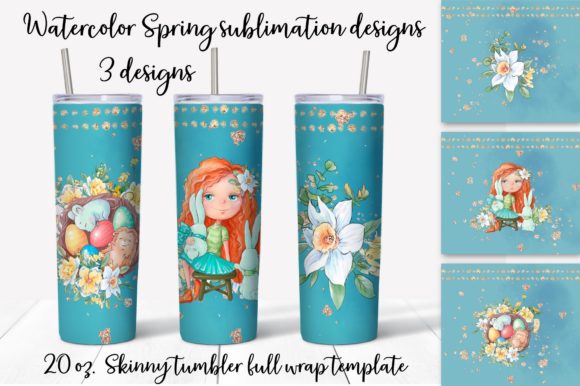
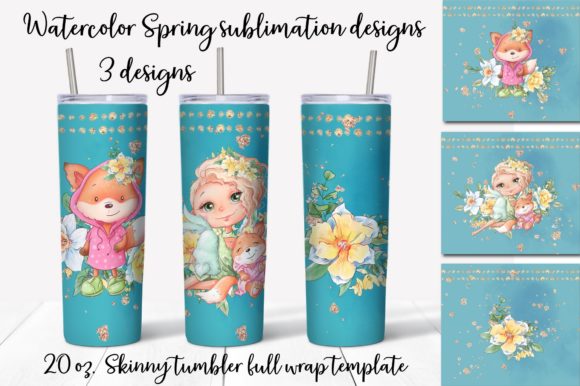
The visual personality of the Spring Sublimation Design Skinny Tumbler is undeniably cheerful. It captures that specific mid-spring energy—fresh blooms, soft pastels, and a layout that feels organic rather than rigid. For an embroidery project, this mood translates beautifully into home decor or light apparel. The design relies heavily on color gradients and fluid shapes, which presents both an opportunity and a challenge for the digitizer or the person adapting it. If you are planning to use this as a reference for creating a custom machine embroidery design, the flow of the elements suggests a need for varied stitch types. You would likely need a combination of satin stitch for the defined outlines and floral petals, and perhaps a lighter fill stitch for the background elements to maintain that airy, sublimated feel without creating a cardboard-like texture on the fabric.
Real-World Application: From Tumbler to Textile
Let's move from theory to a real-life scenario. Imagine you run a small shop selling personalized spring gifts. A customer approaches you wanting a coordinated set: a sublimated tumbler and a matching tote bag. This is where the Spring Sublimation Design Skinny Tumbler becomes a strategic asset. Instead of sourcing two completely different designs, you can adapt this graphic for a tote bag design. However, you must be realistic about the translation. Sublimation allows for infinite color blending; embroidery does not. To make this work as a handmade product, you might need to simplify the color palette. I recommend testing the design on scrap fabric first, specifically checking thread color contrast. What looks seamless in a digital preview might get lost if the thread tones are too similar when stitched out.
Consider using this adapted motif on a linen tea towel or a canvas apron. These items have enough structure to support the stitch density required to replicate the detail of the original graphic. For a sweatshirt embroidery project, you would need to be more cautious. The texture of fleece or heavy cotton can swallow fine details. In this case, treating the graphic as an inspiration for an applique design might yield a cleaner, more professional finished product. By cutting the main floral shapes from fabric and stitching them down, you preserve the bold color blocks of the original sublimation art while avoiding excessive stitching that could distort the garment.
Navigating Technical Challenges
While the aesthetic appeal is high, there are specific areas where the Spring Sublimation Design Skinny Tumbler requires careful handling if adapted for embroidery. The original design likely features intricate corners and tiny lettering common in tumbler wraps. On a curved surface like a cap or a structured hat, these small details can become problematic. The curvature of the cap combined with the pull of the thread can cause registration issues, making tiny text unreadable or fine lines jagged. If you intend to use this for holiday embroidery or seasonal caps, I strongly advise enlarging the design or simplifying the smallest elements.
Fabric choice is another critical factor. This design shines on stable, woven materials. If you attempt to stitch this directly onto stretchy jersey knits or thin, delicate baby clothes without proper preparation, you risk puckering. The fabric texture plays a massive role in how the thread colors pop. On dark fabrics, the lighter pastel tones inherent in a spring theme might require a white underlay or even a fabric applique base to ensure visibility. Always use the proper stabilizer—likely a cut-away for garments that will be washed frequently—to maintain the integrity of the design over time. Remember, a personalized gift loses its value if the embroidery deteriorates after three washes.
Commercial Viability and Brand Consistency
For creative entrepreneurs and small shop product creators, consistency is key to building brand trust. If you are selling custom apparel or boutique merchandise, the quality of your embroidery reflects directly on your professionalism. Adapting the Spring Sublimation Design Skinny Tumbler can be a smart move for creating cohesive marketing materials, such as printable mockups for your online store or social media previews. It allows you to show customers a unified look across different product categories.
However, before listing any items featuring this adaptation, you must confirm licensing terms. Just because a file is available for purchase does not automatically grant rights for commercial embroidery resale, especially if you are altering the fundamental nature of the design from print to stitch. Check whether the design works for both personal and commercial projects explicitly. Many design assets in the Crafts category have specific restrictions regarding digital redistribution or physical resale limits. Ignoring this can lead to serious issues for an Etsy seller relying on these products for income.
Final Verdict for the Maker
The Spring Sublimation Design Skinny Tumbler is a versatile starting point for a variety of embroidery projects, provided you approach it with a technician's eye. It offers a fresh, seasonal vibe that resonates well with customers looking for baby embroidery, nursery decor, or light spring fashion. Its strength lies in its organic layout and cheerful theme, but its success depends entirely on your execution. Do not rely solely on the digital preview; test it in black and white mockups to check contrast, compare light and dark fabric backgrounds, and inspect small details under magnification.
Ultimately, this design is less about the file itself and more about how you translate its spirit into thread. Whether you are creating an embroidered patch for a jacket, decorating pillow covers for a living room refresh, or assembling a gift basket, the potential is there. But remember, the difference between a hobbyist attempt and a professional commercial embroidery piece often comes down to those final checks: hoop size confirmation, stabilizer selection, and a honest assessment of whether the design suits the specific textile you are using. With the right adjustments, this spring-themed graphic can become a standout element in your portfolio, proving that good design transcends the medium it was born in.