Review: Hand Drawn Ratom Botanical Logo Concept
When I first opened the Hand Drawn Ratom Botanical Logo Concept on my screen, I wasn't looking at a generic clipart file; I was evaluating a potential brand identity for a client's upcoming boutique launch. As an experienced designer who spends more time under a magnifying lamp checking stitch outs than browsing stock sites, my immediate reaction was to assess its viability as a real-world machine embroidery design. The aesthetic is undeniably charming, capturing that organic, imperfect line quality that defines modern botanical trends. However, translating a hand-drawn concept into thread requires a critical eye for detail, density, and fabric interaction. This review breaks down how this specific Logos asset performs when moved from a digital preview to a tangible, stitched reality.
The Aesthetic Appeal and First Impressions
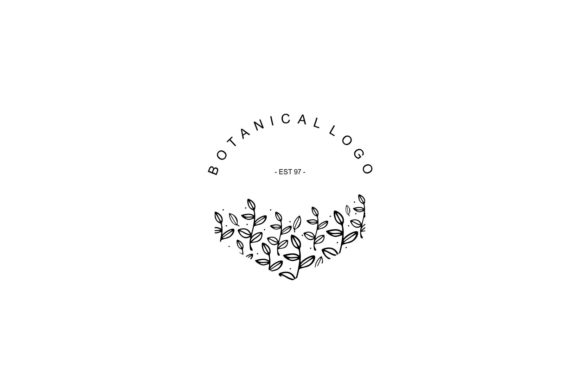
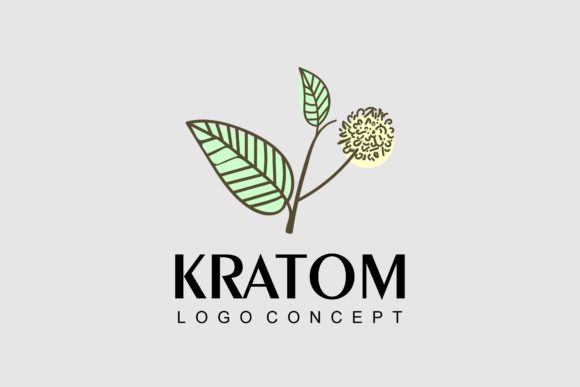
The visual personality of the Hand Drawn Ratom Botanical Logo Concept leans heavily into the "whimsical naturalist" vibe. It features flowing lines and organic shapes that suggest movement rather than rigid geometry. For a designer, this is both a blessing and a challenge. The beauty lies in its simplicity; it avoids the clutter that often plagues complex floral logos. When viewing the layout, the balance between negative space and the drawn elements feels intentional. This makes it an excellent candidate for custom apparel where breathing room is essential for the design to stand out. The mood it creates is soft, approachable, and earthy, making it a perfect fit for businesses focused on wellness, organic products, or handmade goods.
However, the "hand-drawn" nature means the line weights vary. In a vector format, this looks artistic. In embroidery, varying line weights can translate to inconsistent stitch density if not digitized correctly. My initial assessment suggests this design relies heavily on running stitch or fine satin stitch columns to maintain its delicate appearance. If the digitizer has opted for heavy fill stitches to compensate for thin lines, we risk losing the very charm that makes the Hand Drawn Ratom Botanical Logo Concept unique.
Real-World Application: The Tote Bag Test Case
To truly evaluate this embroidery file, I imagined a specific project: a custom canvas tote bag for a local farmer's market vendor. This is a common request for Etsy sellers and craft business owners. Canvas provides a stable, woven texture that usually handles detailed work well. Placing the Hand Drawn Ratom Botanical Logo Concept on the front panel of a natural-colored tote creates an instant premium feel. The botanical theme aligns perfectly with the eco-friendly connotation of reusable bags.
In this scenario, the design acts as the primary branding element. Unlike a small chest logo on a polo shirt, a tote bag allows for a larger hoop size, giving the intricate details of the ratom botanical elements room to breathe. The customer reaction to such a product is typically very positive because the embroidery adds texture and perceived value that a printed ink design cannot match. The raised thread catches the light, emphasizing the hand-crafted nature of the finished product. For a small shop product, this level of detail signals quality and justifies a higher price point.
Versatility Across Different Products
Beyond tote bags, the versatility of this design is noteworthy. It translates well to sweatshirt embroidery, particularly on French terry or fleece where the contrast between the soft fabric and the structured stitching is pleasing. For baby embroidery projects, such as a nursery wall hanging or a personalized onesie, the gentle curves of the botanical motif are soothing and appropriate. It also works effectively as an embroided patch design. If you were to create a woven or embroidered patch featuring the Hand Drawn Ratom Botanical Logo Concept, it could serve as a collectible item or a branded accessory for jackets and hats.
For holiday embroidery gifts, such as kitchen towels or aprons, the design offers a timeless look that doesn't scream "seasonal," allowing the recipient to use the item year-round. This longevity increases the utility of the gift. Furthermore, for digital embroidery file sellers, offering this as part of a bundle for commercial embroidery could be lucrative, provided the licensing terms are clear. The design's adaptability to printable mockups is also high; its clean lines render beautifully in digital previews, helping creative entrepreneurs sell the vision before the needle even hits the fabric.
Critical Considerations for Execution
While the Hand Drawn Ratom Botanical Logo Concept is visually striking, there are technical pitfalls to avoid. The primary concern with any fine-line botanical design is the fabric texture. On highly textured fabrics like thick wool or loose-weave linen, the finer details of the drawing might get lost or appear jagged. Similarly, using this on stretchy fabrics like jersey knit requires a robust stabilizer strategy. Without proper stabilization, the tension of the stitching could cause the fabric to pucker, distorting the organic lines of the logo and ruining the handmade product presentation.
Color selection is another crucial factor. This design likely shines with a limited palette. Using too many thread colors can muddy the hand-drawn effect, turning subtle gradients into blocky transitions. I recommend testing the design in black and white or monochromatic schemes first to ensure the shape language holds up without the crutch of color variation. Additionally, be cautious with dark fabric backgrounds. If the design relies on light threads, ensure the underlay is sufficient to prevent the dark fabric from peeking through the stitches, which can diminish the visual appeal.
Designer Notes for Best Results
Before committing to a production run or a client order involving the Hand Drawn Ratom Botanical Logo Concept, adhere to these practical steps:
- Test on Scrap Fabric: Always stitch out the design on the exact same material you intend to use for the final custom apparel or item. This reveals how the stitch density interacts with the specific weave.
- Check Hoop Compatibility: Verify the required hoop size against your machine's capabilities. While the design is scalable, shrinking it too much for a small cap hoop might cause the fine lines to merge.
- Review Stitch Types: Inspect the file to see if it uses applique design techniques or standard satin/fill stitches. Applique might be a better route for larger versions to reduce bulk.
- Confirm Licensing: If you are an Etsy seller or running a craft business, strictly review the license terms. Ensure you have the rights to sell finished products or if the license is limited to personal use only.
- Contrast Check: View the design in grayscale to verify that the contrast between different elements is strong enough to be distinguishable after stitching.
Ultimately, the Hand Drawn Ratom Botanical Logo Concept is a strong contender for designers seeking a blend of artistry and functionality. It elevates personalized gifts and boutique branding efforts by offering a distinct, non-generic look. However, its success depends entirely on thoughtful execution. By respecting the limitations of the medium and choosing the right materials, this design can transform a simple piece of fabric into a cherished, high-value item. Whether you are creating a tea towel for a holiday gift or a flagship logo for a new brand, this botanical concept offers the flexibility and charm needed to engage buyers and build trust in your craftsmanship.