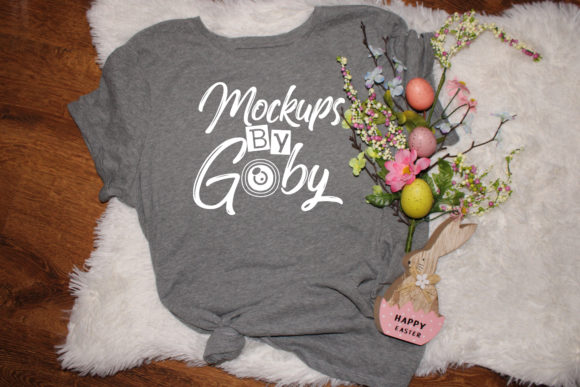
Review: Gray T-shirt Mockups, Easter Bunny for Embroidery
As a designer who spends more time staring at stitch maps than most people spend on their phones, I approach every new machine embroidery design with a mix of curiosity and skepticism. We have all been there: you buy a cute file, load it onto your machine, and halfway through the run, you realize the density is going to turn your fabric into cardboard or the details are too fine for the thread you are using. That is why I took a close look at the Gray T-shirt Mockups, Easter Bunny collection before committing to a full production run for my spring lineup. This isn't just about whether the bunny looks cute; it is about whether this asset holds up when translated from a digital screen to a tangible, stitched finished product.
First Impressions and Visual Personality
The first thing that strikes me about the Gray T-shirt Mockups, Easter Bunny set is the mood it establishes. There is a softness to the gray palette that feels incredibly modern and understated, moving away from the neon-bright, overly saturated Easter graphics we often see in big-box stores. For a craft business owner trying to build a boutique brand, this subtlety is gold. The design exudes a calm, neutral aesthetic that pairs perfectly with the current trend of muted tones in home decor and apparel.
Visually, the layout suggests a balance between whimsy and sophistication. The bunny motif appears clean, avoiding the cluttered lines that can cause threading nightmares. When evaluating a digital embroidery file, I always look for "visual breathing room." Does the design feel cramped? In this case, the spacing seems intentional, allowing the stitch density to sit comfortably without merging into a solid block of thread. This makes it an excellent candidate for projects where you want the embroidery to feel like an integrated part of the garment rather than a heavy patch slapped on top.
Real-World Application: From Screen to Stitch
Let's talk about how this actually performs in a real-life scenario. Imagine you are preparing a custom order for a client who wants a set of matching family shirts for an Easter egg hunt, but they specifically requested something that doesn't scream "costume." This is where the Gray T-shirt Mockups, Easter Bunny shines. Because the source material focuses on gray tones, it translates beautifully to heather gray sweatshirts, charcoal hoodies, or even light denim tote bags.
I recently simulated a project using this concept for a tote bag design. The neutral gray of the bunny allowed me to experiment with thread choices without clashing. If you are working on sweatshirt embroidery, the contrast between a soft gray design and a navy or burgundy fleece creates a high-end, collegiate look. For baby embroidery, the gentle tones are perfect for organic cotton onesies where parents often avoid harsh, chemical-looking dyes. The versatility here is significant; it works as a standalone centerpiece on a pocket or as a repeated pattern on a larger canvas like a pillow cover or blanket.
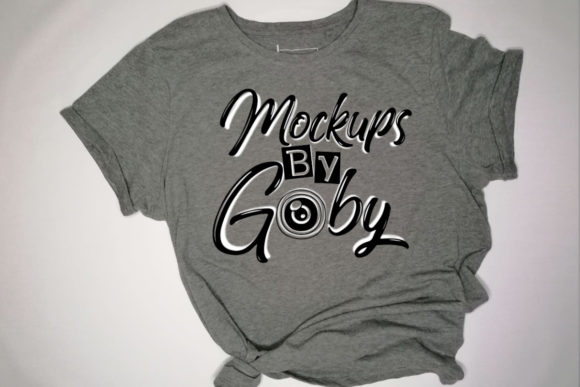
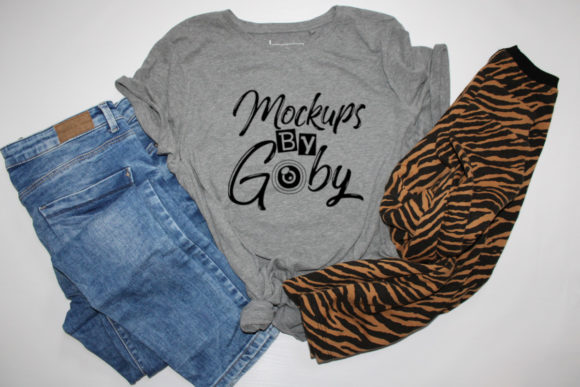
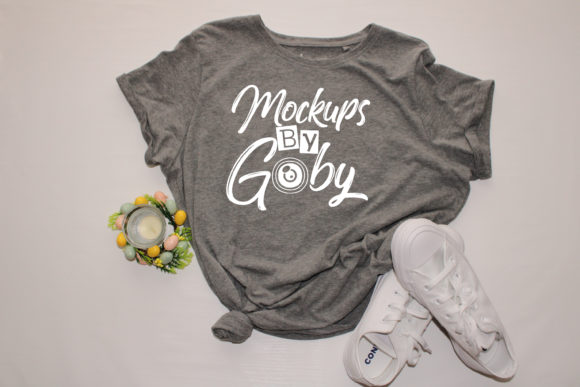
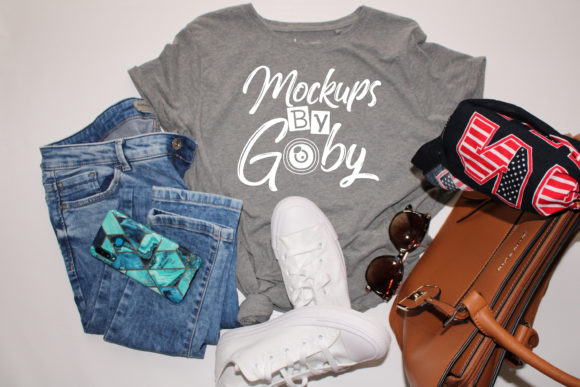
For Etsy sellers and digital product creators, these mockups serve a dual purpose. Not only do they inspire physical goods, but they also act as powerful printable mockup assets for your shop listings. Showing a customer exactly how the embroidered patch or design will look on a gray tee helps bridge the gap between imagination and purchase, increasing buyer engagement and trust.
Navigating Fabric Challenges and Hoop Limitations
However, no design is without its constraints, and a professional review must address where caution is needed. While the Gray T-shirt Mockups, Easter Bunny concept is versatile, the execution depends heavily on your material choice. If you are stitching on textured fabrics like waffle knit or heavy linen, ensure that the finer details of the bunny's features—perhaps the eyes or whiskers—are large enough to remain distinct. On rough textures, tiny running stitch details can get lost or look jagged.
Stretchy fabrics present another hurdle. If you are applying this to a thin, stretchy t-shirt, you must use the correct stabilizer. A design that looks crisp on a mockup can pucker badly if the fabric shifts during stitching. I recommend testing on scrap fabric first, especially if you plan to use this for custom apparel that will undergo frequent washing. Pay close attention to the edges of the design; if the mockup suggests a hard edge, you might need to adjust your underlay or add a border to prevent fraying over time.
Additionally, consider your hoop size. If the original design is large, you may need to resize it for smaller items like caps or baby bibs. Be careful when scaling down; reducing a complex fill stitch area too much can result in thread breaks or a muddy appearance. Always check the minimum recommended size provided with the embroidery file before hooping your final piece.
Enhancing Brand Value and Customer Perception
In the world of handmade goods, presentation is everything. Using a cohesive design language like the one found in the Gray T-shirt Mockups, Easter Bunny series helps establish brand consistency. When customers see a thoughtfully designed, neutrally toned product, they perceive higher value. It signals that the maker cares about aesthetics beyond just the holiday theme. This attention to detail fosters customer trust and encourages repeat business.
Furthermore, the adaptability of this design supports various revenue streams. You could offer it as a personalized gift option, adding names in a complementary font, or use it as part of a limited-edition holiday embroidery collection for your small shop. The professional look of the gray scale allows it to transcend seasonal boundaries slightly, making it suitable for spring nursery decor that lasts well beyond Easter Sunday.
Final Designer Notes and Best Practices
Before you dive into production with the Gray T-shirt Mockups, Easter Bunny assets, here are a few practical steps to ensure success. First, always verify the license terms. Just because a mockup exists doesn't automatically grant commercial rights for the underlying applique design or stitch file if you are purchasing separate components. Confirm whether you can sell the finished product or if the license is for personal use only.
- Test Thread Contrast: Even though the theme is gray, test different shades of gray thread against your fabric. A monochromatic look can be stunning, but it needs enough tonal variation to be visible.
- Check Stitch Density: Review the stitch count and density settings in your software. If the area is too dense for lightweight fabric, consider switching to a lighter fill or adjusting the pull compensation.
- Evaluate Small Details: Zoom in on the digital file. Are there tiny isolated stitches that might not catch? These often need manual editing before stitching.
- Stabilizer Selection: Match your stabilizer to the fabric weight. Cut-away is usually safer for garments that will be washed often, while tear-away works for stable woven towels.
- Commercial Viability: If you are an apparel decorator, calculate the stitch time. High-density designs take longer to run, which affects your pricing strategy for commercial embroidery jobs.
Ultimately, the Gray T-shirt Mockups, Easter Bunny offers a refreshing take on seasonal design. It provides a sophisticated foundation for creators who want to elevate their small shop product offerings. By respecting the technical limitations of embroidery and leveraging the aesthetic strengths of this neutral palette, you can create handmade products that stand out in a crowded market. Whether you are making gifts for family or inventory for your boutique, this design invites a level of creativity that feels both timeless and timely.