Review: Beautiful Floral Wedding Invitation Card Design
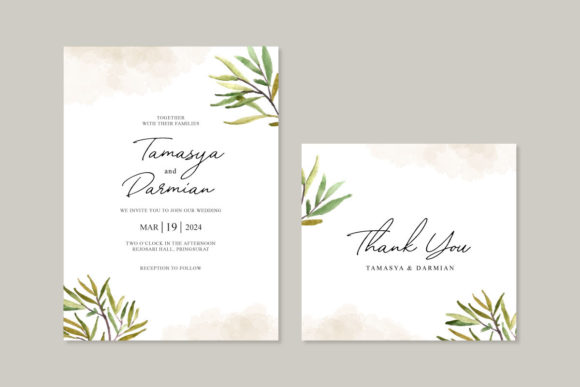
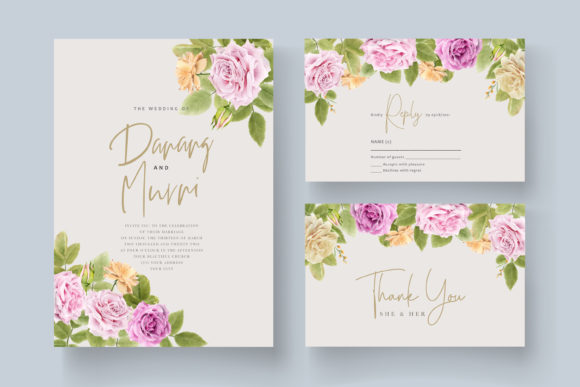
When I first pulled up the Beautiful Floral Wedding Invitation Card on my screen, my initial reaction wasn't just about aesthetics; it was about feasibility. As a designer who spends hours hooping fabric and troubleshooting thread breaks, I look at every digital embroidery file with a critical eye for how it translates from pixels to stitches. This design falls under the category of Print Templates, which immediately raises a flag for us in the stitching world. While the visual layout is undeniably elegant, perfect for a paper invite, adapting it for a handmade product requires a strategic approach to ensure the final result honors the original art without compromising the integrity of the fabric.
First Impressions and Visual Personality
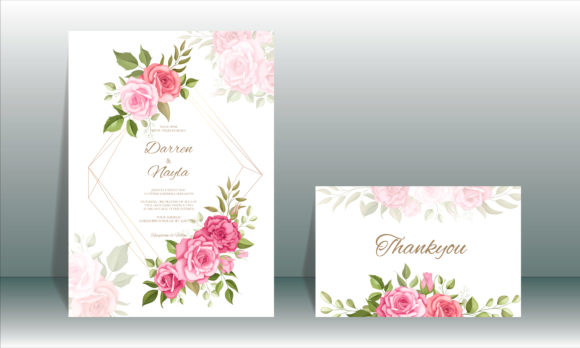
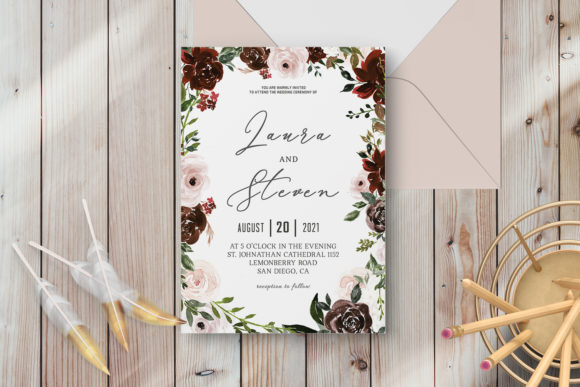
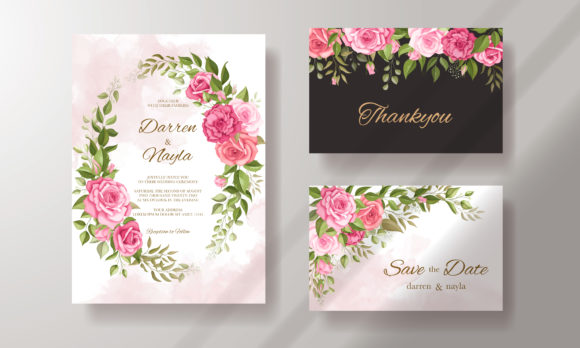
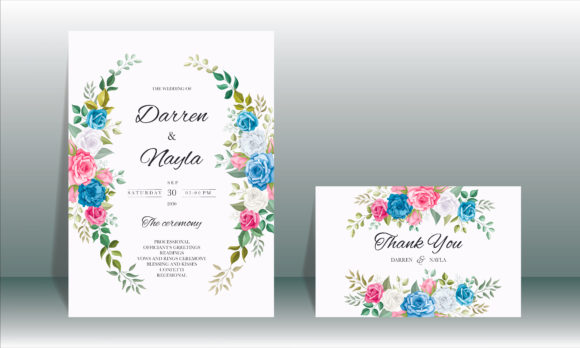
The mood of this design is romantic, classic, and sophisticated. The floral elements suggest a softness that works beautifully for wedding-themed projects. However, because this originates as a print template, the lines are likely vector-based or high-resolution raster images intended for ink, not thread. In embroidery, we deal with stitch density, pull compensation, and the physical limitations of thread. My first thought upon seeing the intricate details was, "How will these fine lines hold up as a satin stitch or a delicate running stitch?" The visual personality is strong, but translating that into a machine embroidery design means we might need to simplify some of the tiniest flourishes to prevent bird-nesting or excessive trimming.
Real-World Application: The Boutique Tote Scenario
Let's walk through a real-life scenario where I would consider using this asset. Imagine a client runs a small boutique selling bridal party gifts. They want a premium tote bag design that matches their invitation suite. They send over the Beautiful Floral Wedding Invitation Card expecting an exact match on canvas totes. This is where professional judgment comes in. If I were to digitize this directly or use a pre-made embroidery version of it, I would need to assess the scale. A design meant for a 5x7 inch card might look lost on a large tote, or conversely, too dense if scaled up without adjusting the stitch count.
In this specific case, I would likely recommend using the floral motifs from the card as inspiration for a custom embroidered patch or a direct stitch on the pocket of the bag. The goal is to capture the essence of the invitation without creating a stiff, cardboard-like patch of thread on the fabric. For a custom apparel piece, like a bridesmaid's robe or a sweatshirt embroidery project, the softness of the florals needs to be preserved. If the original file has tiny text, I would advise the client to remove it for the embroidered version, as small lettering rarely survives the wash cycle on textured fabrics like terry cloth or heavy cotton.
Navigating Fabric and Hoop Challenges
One of the biggest hurdles with designs derived from print templates is their complexity when applied to difficult surfaces. If you are planning to use this on a cap or a curved surface, the density of the floral details could cause puckering. Caps require designs with lower stitch counts and careful underlay to sit flat on the structured front panel. Similarly, if you are attempting this on stretchy fabrics for baby embroidery items, such as a onesie or a receiving blanket, the stabilizer choice becomes critical. A cut-away stabilizer would be non-negotiable here to support the weight of the threads.
Dark fabrics present another challenge. The thread colors specified in a print template might rely on the white background of the paper to create contrast. On a navy blue velvet pillow cover or a black apron, those same colors might vanish. You would need to manually adjust the color palette in your embroidery software, perhaps adding a light underlay or changing the flower shades to pop against the dark background. Always test the design on scrap fabric that matches your final material. This simple step saves hours of frustration and prevents ruining expensive garments.
Commercial Viability for Etsy Sellers and Makers
For Etsy sellers and creative entrepreneurs, the distinction between a print template and an embroidery file is vital for customer trust. If you list a personalized gift featuring this design, your product photos must accurately represent the stitched reality, not just the digital mockup. Buyers appreciate transparency. If the design is sold as a design asset for other makers, clear licensing terms are essential. Since this is categorized under Print Templates, you must verify if the license allows for commercial embroidery use. Some designers allow their art to be printed on shirts but prohibit digitizing it for machine embroidery.
Using the Beautiful Floral Wedding Invitation Card effectively can elevate your brand consistency. Imagine a wedding vendor offering a suite of services: invitations, embroidered table runners, and monogrammed napkins all featuring the same floral motif. This creates a cohesive look that screams professionalism. However, the execution must be flawless. A poorly digitized version of a beautiful print design can look amateurish, with jagged edges and loose threads. Investing time in proper digitization or purchasing a high-quality, tested embroidery version ensures that the finished product reflects the high value of the occasion.
Practical Notes for the Stitcher
Before committing to a full production run, keep these technical checkpoints in mind:
- Check the Hoop Size: Ensure the design fits within your available hoop dimensions without needing excessive re-hooping, which can lead to alignment issues.
- Review Stitch Density: High-density areas can make fabric stiff. Consider using a lighter fill or breaking up large solid areas if the design feels too heavy.
- Test on Varied Textures: Run a sample on both a smooth cotton and a textured linen to see how the fill stitch behaves.
- Verify Licensing: Confirm whether the Beautiful Floral Wedding Invitation Card allows for derivative works like embroidery, especially if you plan to sell the small shop product commercially.
- Mockup Reality Check: Create a black-and-white mockup to check for contrast issues before selecting your thread colors.
Ultimately, the Beautiful Floral Wedding Invitation Card offers a stunning visual foundation. With the right adjustments and a respect for the mechanics of embroidery, it can transform from a flat image into a tactile, cherished keepsake. Whether you are creating a single holiday embroidery gift or launching a line of boutique merchandise, the key lies in adapting the design to the medium. By prioritizing stitch quality and fabric compatibility, you ensure that the final result is not just a copy of a print, but a superior, handcrafted interpretation that stands the test of time.