Metal Textures: A Designer's Review for Real Projects
As a designer who spends more time staring at stitch maps than most people spend looking at actual art, I approach new machine embroidery design files with a healthy dose of skepticism. We have all downloaded a "perfect" digital embroidery file only to find it turns into a bird's nest on the hoop. So, when I pulled up the Metal Textures collection, my first thought wasn't about how pretty it looked on the screen, but how it would behave under the needle. This isn't just a gallery review; this is a practical look at whether these assets hold up in a real-world embroidery project.
The First Impression: Industrial Chic Meets Stitch Reality
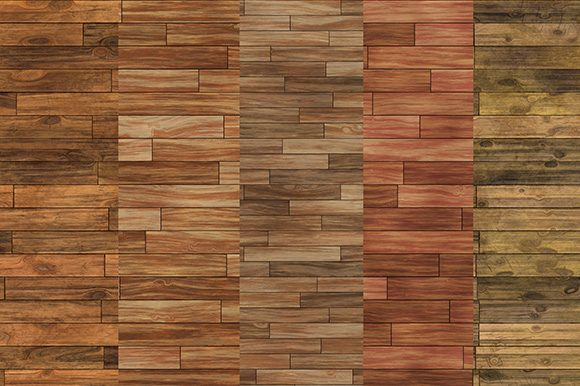
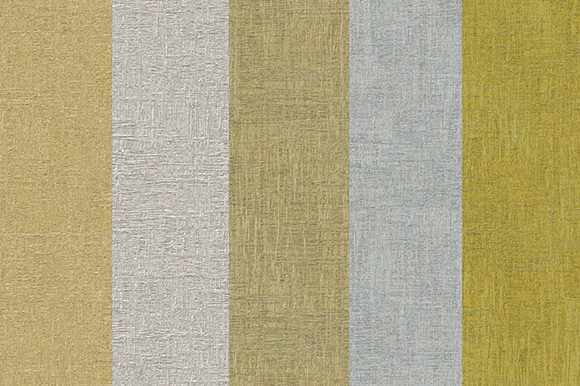
Visually, Metal Textures hits a specific mood that is often hard to capture in thread. It feels industrial, grounded, and slightly rugged. The layout suggests a focus on surface detail rather than bold, sweeping shapes. When you zoom in, the personality of the design shines through in the way it mimics the wear and tear of actual metal. For an Etsy seller or boutique owner, this is gold. It moves away from the overly cute or generic floral motifs that saturate the market and offers something with a bit more edge.
The theme here is clearly about durability and structure. Whether you are aiming for a steampunk aesthetic, a modern minimalist look, or just adding a touch of sophistication to a plain garment, these textures provide a visual weight that commands attention. However, the devil is always in the details, specifically regarding stitch density. Designs that attempt to replicate metallic surfaces often rely on heavy saturation to get that solid look. My initial assessment is that this collection leans towards dense fills, which means your fabric choice and stabilization game need to be on point.
Real-World Application: From Mockup to Finished Product
To truly test the viability of Metal Textures, I imagined a specific scenario: a custom order for a local coffee roaster needing branded aprons and tote bags. They wanted something that looked durable and high-end, not like a cheap promotional giveaway. This is where the Textures category really earns its keep. Applying these designs to a canvas tote bag design or a heavy cotton apron makes immediate sense. The rugged nature of the metal mimicry complements the coarse weave of canvas beautifully.
I also considered how this would work for sweatshirt embroidery. A brushed fleece hoodie with a subtle, textured metal motif on the chest creates a fantastic contrast between soft fabric and hard visual elements. It elevates a basic garment into a piece of custom apparel that feels designed rather than just printed on. For small shop product lines, this versatility is crucial. You aren't limited to one niche; these assets can pivot from baby gear (think industrial-chic nursery decor) to men's fashion accessories.
If you are selling design assets or creating printable mockups for your portfolio, the visual clarity of Metal Textures is a strong selling point. In a thumbnail image on a marketplace, the intricate detailing suggests quality. Customers scrolling past generic satin stitch flowers will stop on something that looks like etched steel or weathered iron. It builds immediate brand consistency for shops that specialize in modern, gender-neutral, or urban-style goods.
Navigating Fabric Challenges and Hoop Limitations
Here is where we need to be realistic. While Metal Textures looks stunning on a high-resolution monitor, translating that to fabric requires caution. If you are working with thin fabric or highly stretchy materials like jersey knit, you might run into trouble. Heavy fill stitches can cause puckering if the stabilizer isn't robust enough. I would strongly advise using a cut-away stabilizer for any garment that will be washed frequently, rather than a tear-away, to maintain the integrity of the design over time.
Another consideration is the hoop size. Texture-heavy designs often lose their definition if scaled down too small. If you try to shrink this down for a tiny pocket logo on a cap or a small detail on a baby embroidery item, the fine lines that create the "metal" effect might merge into a solid blob of thread. Always check the minimum recommended size before committing to a project. For curved surfaces like caps, ensure the digitizing accounts for the push and pull of the fabric; otherwise, your perfect metal texture could end up distorted.
Dark fabrics present another interesting challenge. Since metal reflects light, these designs often rely on contrast. On a black sweatshirt, you might need to adjust your thread colors to include lighter grays or even metallic threads to make the texture pop. Conversely, on light fabrics, the shadowing within the design needs to be distinct enough to create depth without looking muddy.
Enhancing Value and Customer Trust
In the world of commercial embroidery, perceived value is everything. A customer is willing to pay more for a handmade product that looks complex and well-executed. Using Metal Textures signals that you put thought into the design selection. It doesn't look like a default library clipart. This attention to detail fosters customer trust. When a client receives a personalized gift or a branded item that features such distinct textural work, they associate that quality with your entire brand.
For holiday embroidery or special occasion gifts, these designs offer a break from tradition. Imagine a set of kitchen towels with a subtle galvanized metal texture pattern instead of the usual seasonal slogans. It appeals to the buyer looking for something unique and sophisticated. The finished product feels substantial. It has a tactile quality, even if it's just thread, that encourages people to touch it and examine the craftsmanship.
Practical Notes for the Professional Maker
Before you start stitching your next batch of orders, here are a few non-negotiable steps when working with a collection like Metal Textures:
- Test on scrap fabric first: Never skip this. Stitch the design on the exact same material and layering you plan to use for the final product to check for registration issues or puckering.
- Check thread contrast: Play with variegated threads or different shades of gray to enhance the 3D effect of the texture.
- Review stitch density: If the design feels too stiff after stitching, consider editing the fill density in your software if you have the skills, or switch to a lighter weight fabric.
- Inspect small details: Look closely at the corners and tight curves. Ensure there are no excessive jump stitches that could snag during washing.
- Verify licensing: If you are an Etsy seller or running a craft business, confirm the license terms. Can you sell the finished product? Can you sell the embroidery file itself? Always clarify this before listing items for sale.
Ultimately, Metal Textures is a versatile tool in the modern embroiderer's kit. It bridges the gap between digital precision and tactile reality. Whether you are creating an embroidered patch for a jacket, decorating a pillow cover, or building a cohesive line of small business merchandise, these designs offer the depth and character needed to stand out. Just remember to respect the technical requirements of the stitch count and fabric compatibility, and you will end up with a product that truly shines.