Hearts Love Tumbler Wraps: A Designer's Stitch Review
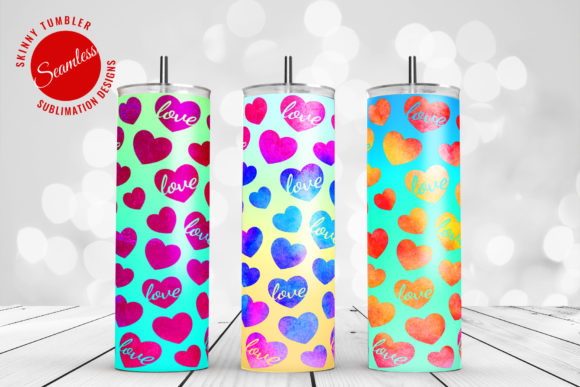
As a designer who spends more time staring at stitch maps than most people spend on their phones, I approach every new machine embroidery design with a mix of curiosity and skepticism. When I first pulled up the Hearts Love Tumbler Sublimation Wraps, my initial reaction was one of visual intrigue. The title suggests a sublimation product, yet here we are, evaluating it through the lens of thread and needle. This juxtaposition creates a fascinating opportunity for mixed-media projects, but it also demands a critical eye regarding how these graphics translate when rendered in satin and fill stitches.
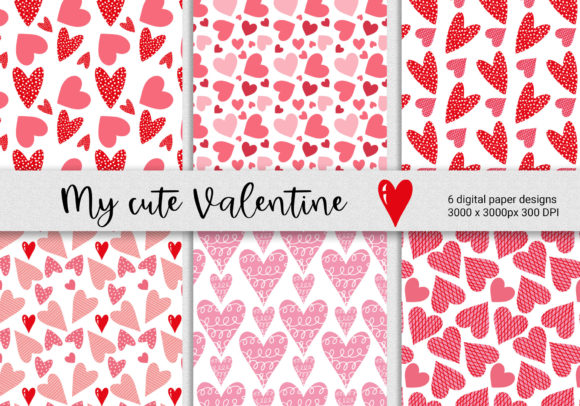
The mood of this design is undeniably warm and affectionate. The layout leans heavily into romantic themes, making it a natural fit for Valentine's Day collections, wedding gifts, or anniversary keepsakes. However, looking past the obvious holiday applications, the visual personality of the hearts offers a versatility that extends into everyday boutique branding. The shapes appear fluid, avoiding the rigid, blocky look that often plagues lower-quality digital assets. For an Etsy seller or small shop owner, this softness is crucial; it signals a handmade touch rather than a mass-produced stamp.
Translating Graphics into Threaded Reality
Let's talk about a real-world scenario. Imagine you are preparing a custom order for a local coffee shop owner who wants branded merchandise. They love the heart motif but need something that feels tactile and premium. You decide to adapt the Hearts Love Tumbler Sublimation Wraps concept into a physical embroidered patch or directly onto canvas tote bag design prototypes.
In this context, the performance of the design becomes the primary concern. When converting a sublimation-style graphic into an embroidery file, the level of detail is paramount. Sublimation allows for infinite color gradients and tiny details that thread simply cannot replicate. If you are using this as inspiration to create a stitched version, you must be mindful of stitch density. A design that looks crisp on a screen can become a muddy mess on fabric if the satin stitch columns are too wide or if the fill stitch areas are too dense for the chosen material.
For a project like a sweatshirt embroidery job, the texture of the fleece adds another layer of complexity. The hearts need enough definition to pop against the fuzzy background without sinking in. I recommend testing the design on scrap fabric that matches your final product's weight. If the original asset is intended for sublimation, you may need to manually trace or simplify the lines to ensure clean running stitch outlines and manageable fill areas. This step is non-negotiable for maintaining professionalism in your finished product.
Navigating Fabric Challenges and Hoop Limitations
Not every surface is created equal, and this is where practical judgment comes into play. While the heart theme is universal, the execution requires careful consideration of the substrate. If you are aiming for baby embroidery on a soft onesie, the fabric is likely thin and stretchy. In such cases, a heavy design derived from complex graphics can cause puckering or distort the garment's fit. Using the correct stabilizer is essential here—perhaps a cut-away stabilizer for long-term durability, especially if the item will undergo frequent washing.
Curved surfaces present another hurdle. Many crafters want to apply these designs to caps or curved tumblers (via a patch application). The geometry of a cap means that a wide design might not hoop correctly or could distort at the edges. Always confirm the hoop size compatibility before committing to a production run. If the heart arrangement is too wide, you might need to break it into smaller elements or stack them vertically to fit within a standard 4x4 or 5x7 hoop.
Dark fabrics also require strategic thinking. If the original sublimation wrap relies on light colors against a dark background, translating this to thread means ensuring high contrast in your thread colors. A dark red heart on a navy blue sweatshirt might look romantic in theory but disappear in low light. Testing your color palette in black and white mockups can help you verify that the contrast holds up regardless of lighting conditions.
Commercial Viability and Brand Perception
For commercial embroidery professionals and digital product sellers, the value of a design isn't just in its aesthetics; it's in how it elevates the brand. Using a well-executed heart design can significantly boost customer trust and perceived value. A sloppy, poorly digitized heart looks cheap, whereas a clean, balanced design suggests quality and care. This distinction is vital for craft business owners who rely on repeat customers and positive reviews.
When considering this for holiday embroidery or seasonal drops, think about the longevity of the trend. Classic heart motifs tend to have staying power, unlike fleeting fads. This makes them a safe investment for creating design assets that can be reused across multiple seasons. Whether you are selling personalized gift items or stocking a boutique shelf, the consistency of the design helps build brand recognition.
However, a word of caution regarding licensing and file types. Since the source material is described as "Sublimation Wraps," it is imperative to check the specific license terms before selling stitched versions. Some creators allow personal use only, while others permit commercial adaptation. Never assume that a sublimation file grants you the right to sell embroidered goods based on that image. Always clarify the digital embroidery file rights or seek permission to adapt the artwork for thread.
Final Thoughts on Execution
In conclusion, the Hearts Love Tumbler Sublimation Wraps offers a strong visual foundation for a variety of creative endeavors, provided it is adapted with technical precision. The key to success lies in respecting the limitations of the medium. Thread has volume; ink does not. By adjusting stitch density, choosing appropriate fabric texture pairings, and rigorously testing on scraps, you can transform a flat graphic into a textured, tangible piece of art.
Whether you are creating a custom apparel line, decorating kitchen towel sets, or crafting unique printable mockup previews for your online store, let the quality of your stitching do the talking. The market is flooded with generic designs, but a thoughtfully executed embroidery project stands out. Take the time to refine the details, respect the materials, and ensure that every stitch contributes to a cohesive, professional look. That is the difference between a hobbyist attempt and a product that customers are eager to buy and cherish.